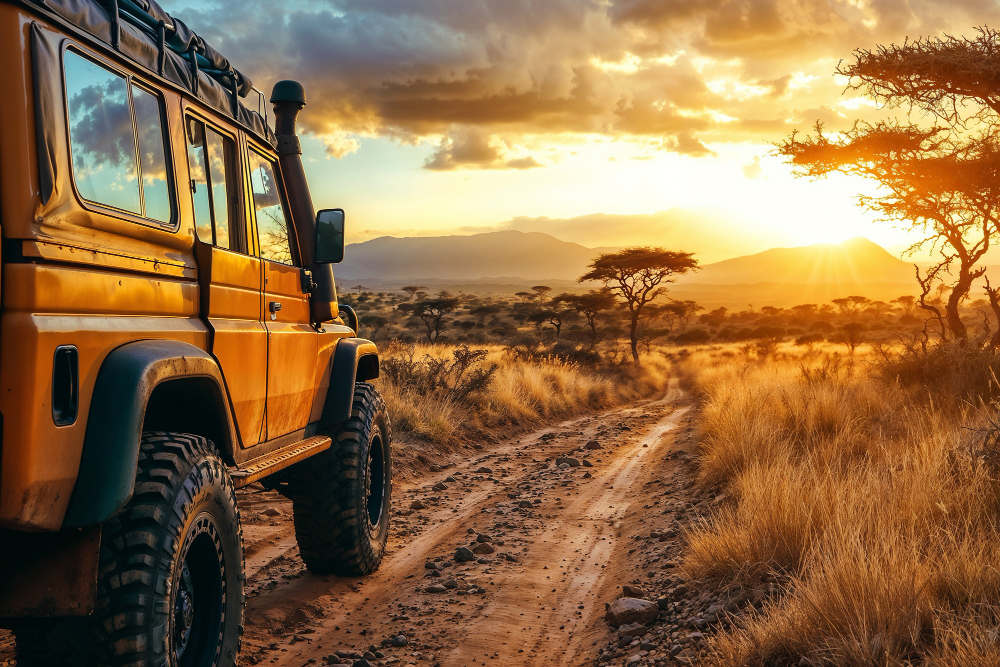
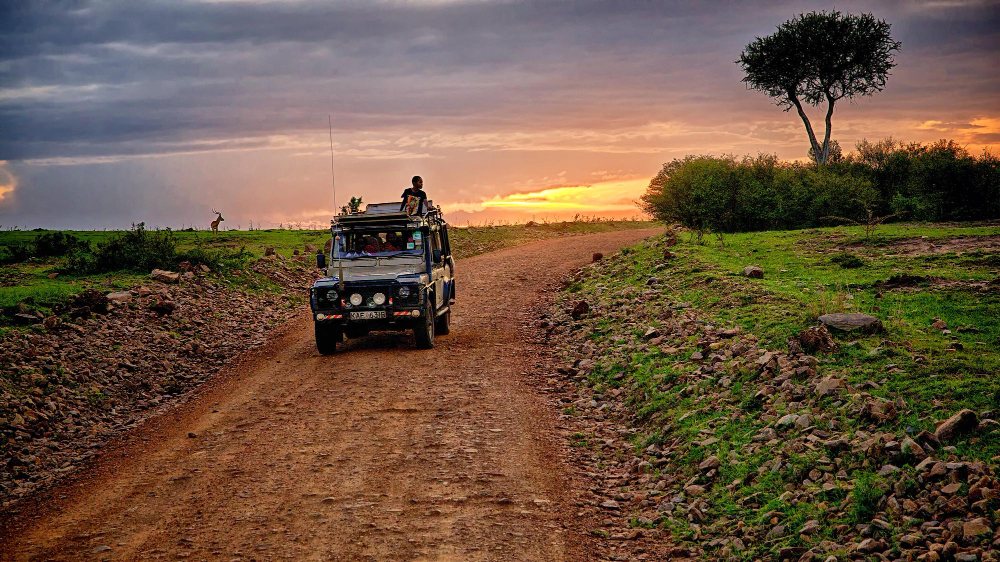
Ngorongoro Crater, often called the “Eighth Wonder of the World,” is one of Tanzania’s most iconic safari destinations. This massive volcanic caldera is home to a thriving ecosystem of wildlife, including the Big Five, along with countless bird species and breathtaking scenery. Choosing the Best Time to Visit Ngorongoro Crater can make a big difference in your safari experience, as seasons impact wildlife sightings, weather conditions, and crowd levels.
Ngorongoro Crater is unique because it houses one of the densest populations of wildlife in Africa within its 260-square-kilometer basin. From elephants grazing on the crater floor to lions patrolling the grasslands, the concentration of animals ensures sightings are almost guaranteed year-round. The crater’s permanent water sources, like Lake Magadi, sustain wildlife even during the driest months.
For safari-goers, Ngorongoro offers dramatic landscapes, cultural encounters with the Maasai people, and world-class game drives that rival any destination in Africa.
The dry season is widely considered the Best Time to Visit Ngorongoro Crater. From June to October, the weather is cooler, skies are clear, and wildlife is easier to spot. With limited water sources, animals congregate near lakes and rivers, providing excellent viewing opportunities.
Highlights of visiting during the dry season:
- Prime time for Big Five sightings.
- Comfortable weather for full-day game drives.
- Less vegetation, making animals more visible.
However, this is also the busiest time of year. Expect more vehicles on the crater floor, especially in July and August.
The wet season is divided into the short rains (November–December) and long rains (March–May). While some travelers avoid this period, it has its own unique appeal.
- November–December (short rains): Light showers refresh the landscape, creating vibrant greenery. Wildlife remains abundant, and crowds are fewer than in the dry season.
- January–February: A dry spell between rains makes this an excellent time for safaris. It’s also the calving season for wildebeest in nearby Ndutu, attracting predators.
- March–May (long rains): This is the quietest time in Ngorongoro, with fewer tourists and lower accommodation rates. Though heavy rains can make roads muddy, the scenery is lush, and birdwatching is phenomenal.
- Dry Season: Best for predators and large mammals like elephants, buffalo, and rhinos. Lions are more active as prey gather near waterholes.
- Wet Season: Ideal for birdwatching and photography, thanks to dramatic skies and lush landscapes. Migratory birds also arrive during this time.
Regardless of when you visit, the crater’s permanent water supply ensures you’ll see wildlife year-round.
Ngorongoro is one of Tanzania’s most popular safari spots, so crowd levels can impact your experience.
- High Season (June–October, January–February): More vehicles on the crater floor, especially around wildlife hotspots. Lodges and camps charge premium rates.
- Low Season (March–May): Fewer tourists, quieter game drives, and discounted accommodation rates. A great choice for those seeking a more private safari.
Photographers often debate the Best Time to Visit Ngorongoro Crater.
- Dry Season: Clear skies, golden light, and unobstructed views of wildlife.
- Wet Season: Lush greenery, dramatic cloud formations, and baby animals make for captivating shots.
If photography is a major goal, consider visiting during the shoulder seasons (late May or early November) for a balance of good light, fewer crowds, and diverse scenery.
- Start early: Game drives begin at sunrise when animals are most active.
- Dress in layers: Mornings can be chilly, but midday temperatures rise quickly.
- Book early in high season: Lodges fill up months in advance.
- Combine with Serengeti: Many safaris pair Ngorongoro with Serengeti or Tarangire for a complete experience.
- Respect wildlife: Stay inside your vehicle on game drives and follow park guidelines.
1. What is the absolute Best Time to Visit Ngorongoro Crater?
The dry season from June to October is considered the best overall, offering ideal wildlife viewing and comfortable weather.
2. Can I visit Ngorongoro during the rainy season?
Yes. While rain may affect road conditions, wildlife is still present year-round, and the landscapes are stunningly green.
3. How many days should I spend in Ngorongoro Crater?
One full day inside the crater is enough to see most wildlife, but many travelers spend two nights in the area to explore nearby attractions.
4. Is Ngorongoro suitable for family safaris?
Absolutely. The crater floor is easily accessible, and children can enjoy close-up wildlife encounters in a safe environment.
5. Can I combine Ngorongoro with other parks?
Yes. It’s often included in the Northern Circuit with Serengeti, Tarangire, and Lake Manyara National Parks.