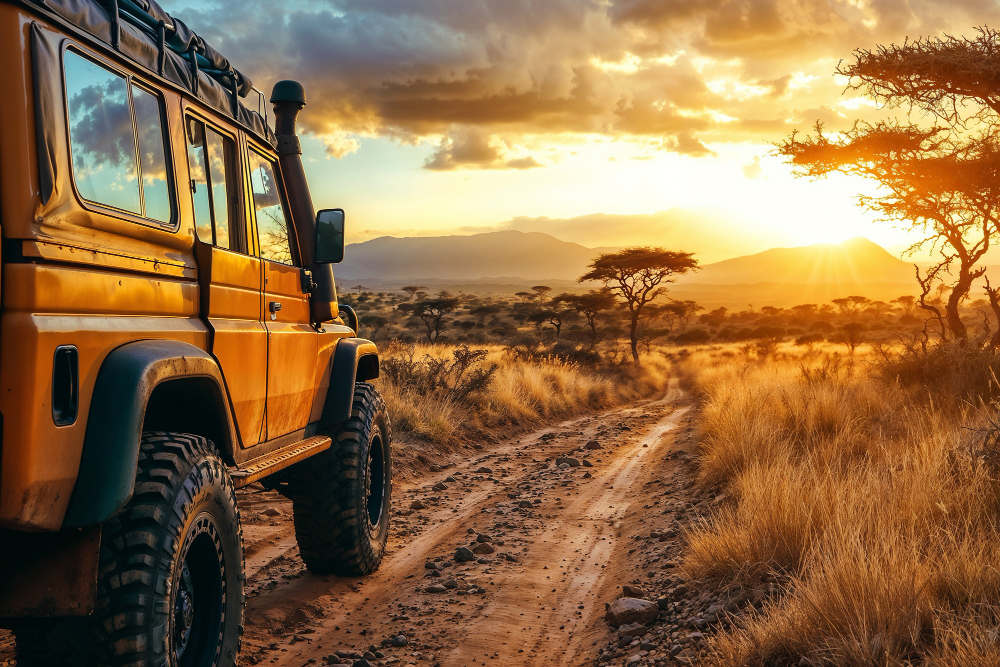
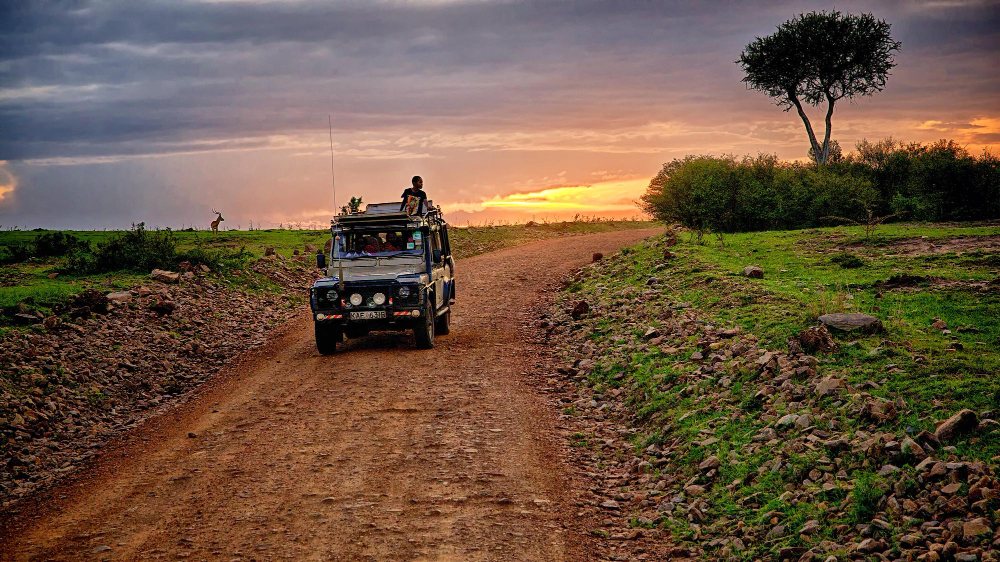
Arusha National Park is one of Tanzania’s most underrated safari destinations. Nestled at the foot of Mount Meru, just a short drive from Arusha town and Kilimanjaro International Airport, it offers travelers a perfect introduction to Tanzania’s wilderness. While it may be smaller than Serengeti or Ngorongoro, what makes Arusha National Park unique is the range of activities you can enjoy here. Instead of the classic game drives alone, visitors can experience thrilling walking safaris and serene canoe adventures, making it one of the most diverse parks in East Africa.(Arusha National Park Safari)
This park is ideal for travelers who want to combine adventure, landscapes, and wildlife without spending days on long drives. From lush rainforests and sparkling lakes to volcanic craters and open grasslands, Arusha National Park has something for everyone.
Unlike many national parks in Tanzania, Arusha allows guided walking safaris, giving visitors a chance to experience the bush in its purest form. Accompanied by armed rangers, you’ll step off the vehicle and immerse yourself in the wild on foot. This activity brings you closer to nature, where every sound, footprint, and scent becomes part of the adventure.
Walking trails often begin in the park’s lush montane forests, where colobus monkeys swing gracefully between trees. As you move through open grasslands, you may encounter giraffes, zebras, or herds of buffalo grazing peacefully. The thrill of spotting wildlife at eye level, without the barrier of a vehicle, makes walking safaris unforgettable.
One of the highlights of walking safaris in Arusha National Park is exploring the base of Mount Meru. The forested slopes are rich in flora and fauna, and you’ll likely spot colorful birdlife, waterfalls, and breathtaking views of both Mount Meru and, on clear days, Mount Kilimanjaro in the distance.
Another activity that sets Arusha National Park apart is canoeing on the Momella Lakes. This rare opportunity allows travelers to enjoy wildlife viewing from the water—something very few parks in Tanzania offer. The alkaline lakes, surrounded by rolling hills and open plains, provide the perfect backdrop for a peaceful yet adventurous safari experience.
From your canoe, you’ll have a front-row seat to observe flocks of flamingos wading in the shallows, hippos wallowing near the edges, and waterbirds like kingfishers and cormorants diving for fish. The silence of paddling across the lake creates a sense of tranquility that contrasts beautifully with the excitement of spotting animals. Canoe safaris are particularly rewarding in the mornings when the light is soft and the waters calm, making it an ideal time for photography.
Although Arusha National Park does not have large predator populations like Serengeti, it offers diverse wildlife experiences. The park is home to giraffes, zebras, buffaloes, warthogs, hippos, and over 400 bird species. It is one of the best places in Tanzania to see the black-and-white colobus monkey, which thrives in the park’s dense forests.
Without the pressure of searching for lions and leopards, visitors here can appreciate smaller details often overlooked in larger parks. From colorful butterflies fluttering across meadows to the playful antics of monkeys, the park rewards patience and attentiveness. For birdwatchers, Arusha is a treasure trove, with everything from flamingos on the lakes to raptors circling overhead.
Arusha National Park offers a wide variety of landscapes packed into a relatively small area, making it a photographer’s dream. The Momella Lakes reflect the surrounding hills and provide striking shots of flamingos in their natural habitat. Mount Meru’s slopes offer panoramic views of forests, waterfalls, and distant snow-capped peaks of Kilimanjaro.
The Ngurdoto Crater, often called the “mini Ngorongoro,” is another scenic highlight. Its swampy crater floor and surrounding forests make it a picturesque spot, often dotted with buffalo and warthogs. For travelers who want to capture both wildlife and dramatic landscapes in one trip, Arusha National Park is a hidden gem.
One of the greatest advantages of visiting Arusha National Park is its location. It’s only about 45 minutes from Arusha town and less than an hour from Kilimanjaro International Airport, making it a perfect day trip or first stop on a longer safari itinerary.
The park can be visited year-round, but the dry season (June to October) offers the best walking and canoeing conditions, with clear skies and good visibility. The wet season (November to May) transforms the park into a lush green paradise, ideal for birdwatching and photography, though rain may affect trails.
Beyond walking and canoeing, visitors can also combine their safari with cultural tours in nearby villages. Meeting local communities and learning about their traditions adds depth to the adventure. For those with more time, hiking Mount Meru is another option. Often overshadowed by Kilimanjaro, Mount Meru offers a challenging but rewarding trek with fewer crowds and stunning views.
By staying longer in Arusha National Park, travelers can balance thrilling outdoor activities with cultural immersion, making their safari experience even more memorable.
1. Is Arusha National Park worth visiting compared to Serengeti or Ngorongoro?
Yes. While smaller, Arusha offers unique activities like walking safaris and canoeing, which aren’t common in larger parks. It’s perfect for shorter trips or as an introduction to Tanzanian safaris.
2. Can I see the Big Five in Arusha National Park?
No, the park doesn’t have large predators like lions or leopards in abundance. However, it’s rich in herbivores, primates, and birdlife, making it excellent for unique wildlife encounters.
3. Do I need to be fit for walking safaris in Arusha?
Moderate fitness is helpful, but walks are guided and tailored to participants’ abilities. Most trails are easy to moderate, suitable for anyone with basic fitness.
4. Are canoe safaris safe?
Yes. Canoeing on the Momella Lakes is guided by professionals, with safety gear provided. The waters are calm and suitable for beginners.
5. How many days should I spend in Arusha National Park?
One full day is enough for a walking safari and canoe adventure. However, staying two days allows you to fully enjoy the landscapes, wildlife, and cultural experiences.