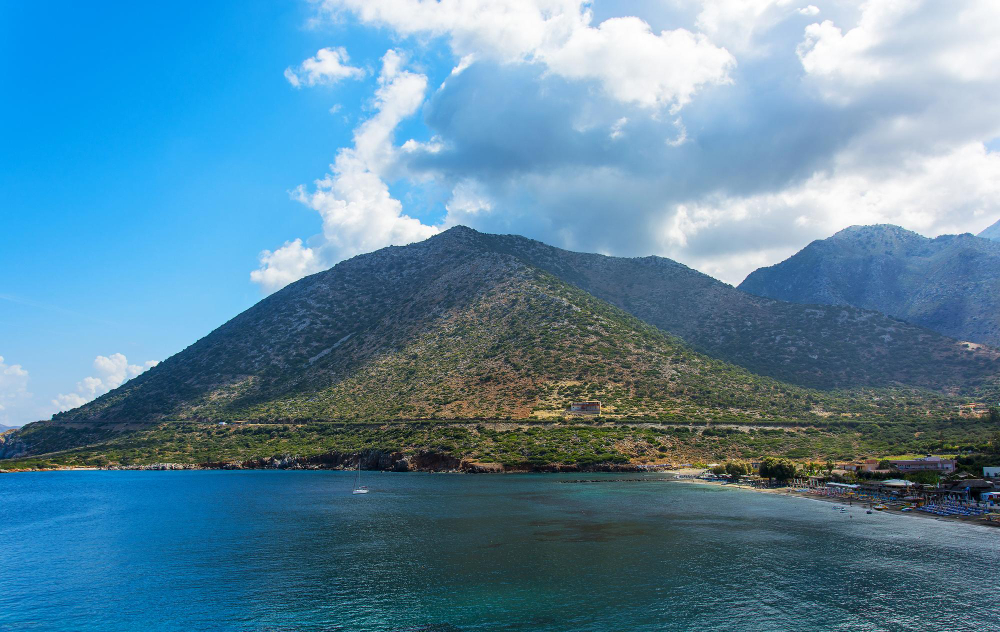
On the eastern shores of Lake Tanganyika, surrounded by lush forests and towering peaks, lies Mahale Mountains National Park—a hidden wilderness where the forest meets one of the world’s deepest lakes. Covering about 1,600 square kilometers, the park is world-famous for its wild chimpanzee populations, pristine beaches, and breathtaking mountain scenery.
Remote and untouched, Mahale offers an authentic blend of wildlife, culture, and adventure that few other safari destinations can match.
Mahale is unique because it combines forest trekking, primate encounters, and lakeside relaxation in one extraordinary setting. Its remoteness ensures a sense of exclusivity, making it ideal for travelers seeking a different kind of safari.
Key Highlights
- Home to around 800 wild chimpanzees, including the well-studied Mimikire group.
- Stunning backdrop of the Mahale mountain range.
- Pristine white-sand beaches along Lake Tanganyika.
- Opportunities for hiking, snorkeling, and cultural exploration.
The park is best known for chimpanzees, but its biodiversity extends far beyond primates.
- Chimpanzees: The main attraction, with guided treks allowing intimate encounters.
- Other Primates: Red colobus monkeys, vervets, and yellow baboons.
- Birds: Over 350 species, including kingfishers, hornbills, and fish eagles.
- Other Wildlife: Bush pigs, bushbucks, and even leopards inhabit the forests.
Aquatic life also flourishes in Lake Tanganyika, with hundreds of colorful fish species.
1. Chimpanzee Trekking
The highlight of any visit. Guided treks through montane forests provide opportunities to watch chimpanzees feed, groom, and interact in the wild.
2. Lake Tanganyika
The world’s second-deepest freshwater lake, perfect for swimming, kayaking, and snorkeling. Its clear waters and cichlid fish make it a natural wonder.
3. The Mahale Mountains
The rugged peaks offer excellent hiking opportunities and panoramic views over the forest and lake.
4. Sandy Beaches
Relax on pristine white-sand beaches after a trek, a unique experience for a safari destination.
- Chimpanzee Tracking: Daily guided treks in search of habituated chimpanzee groups.
- Hiking: Trails range from easy walks to challenging climbs up the Mahale peaks.
- Snorkeling & Swimming: Explore the underwater world of Lake Tanganyika.
- Fishing & Kayaking: Popular activities on the lake’s crystal-clear waters.
- Cultural Encounters: Meet the local Tongwe people, who have lived in harmony with the forest for centuries.
Mahale can be visited year-round, but the experience changes with the seasons.
- Dry Season (June–October): The best time for chimpanzee trekking as they stay closer to the shore. Hiking trails are also more accessible.
- Wet Season (November–May): Lush green forests and excellent birdwatching, though chimpanzees can be harder to track.
Reaching Mahale is an adventure in itself, adding to its appeal.
- By Air: The easiest option is charter flights from Arusha or Dar es Salaam to Mahale airstrip.
- By Boat: From Kigoma, boats on Lake Tanganyika connect visitors to park lodges and camps.
- By Road: Long and challenging, but possible for overland adventurers.
Mahale offers a mix of eco-luxury lodges and more rustic options.
- Luxury Lodges: Lakeside retreats offering stylish bandas and private beaches.
- Tented Camps: Comfortable safari-style camps with guided activities.
- Public Campsites: Budget-friendly options for backpackers and adventurers.
- Bring sturdy walking shoes for forest treks.
- Carry insect repellent, sunscreen, and lightweight clothing.
- Binoculars are essential for birdwatching.
- A minimum stay of 3 nights is recommended to maximize your chance of seeing chimpanzees.
- Combine Mahale with Katavi for a truly wild western Tanzania safari circuit.
1. How much is the park entry fee?
Entrance fees for foreign adults are around $80, with discounted rates for residents and East African citizens.
2. Is chimpanzee trekking guaranteed?
While sightings are common, they are not guaranteed since chimpanzees are wild and roam freely. Staying longer increases your chances.
3. How many days should I spend in Mahale?
At least 3–4 days are ideal, giving enough time for trekking, lake activities, and relaxation.
4. Is Mahale suitable for families?
Yes, but chimpanzee trekking is usually restricted to visitors over 15 years old. Families can enjoy hiking, swimming, and cultural experiences.
5. What makes Mahale different from Gombe Stream?
Both parks are famous for chimpanzees, but Mahale is larger, more remote, and offers additional activities like hiking and lake adventures.