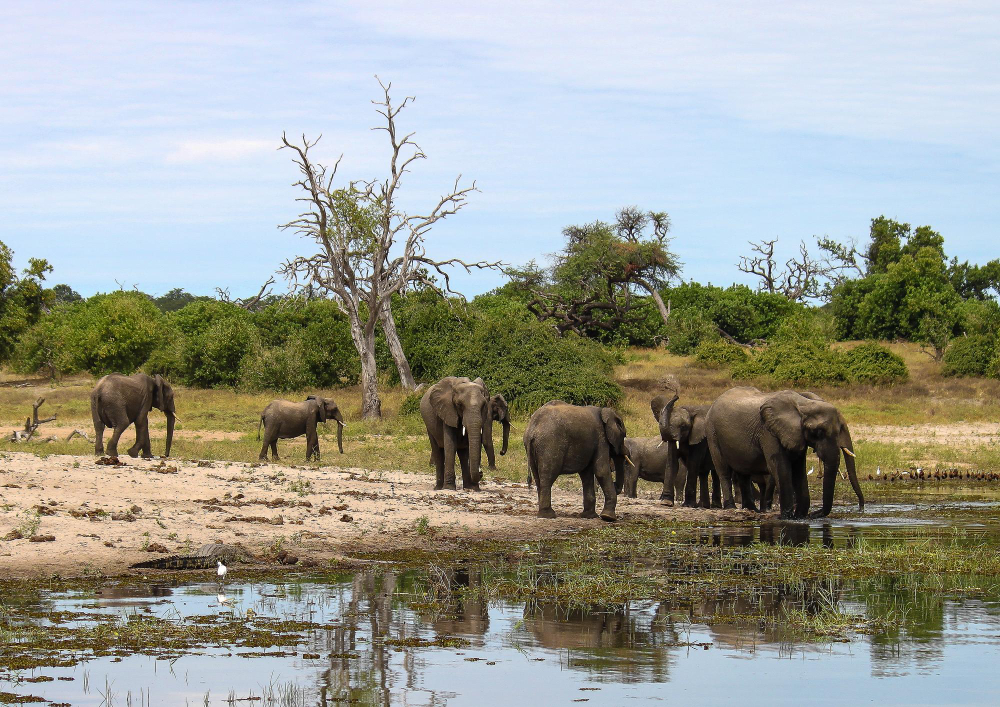
Ruaha National Park is Tanzania’s largest national park, covering over 20,000 square kilometers. Located in the heart of the country, it offers one of Africa’s most untouched wilderness experiences. Known for its dramatic landscapes, massive elephant herds, and diverse wildlife, Ruaha is a true gem for safari enthusiasts seeking an off-the-beaten-path adventure.
Ruaha lies in central Tanzania, west of Iringa town. Despite its remote setting, the park is accessible by road and air. The drive from Dar es Salaam takes about 10–12 hours, making it ideal for extended safaris. For convenience, several airlines operate scheduled flights from Dar es Salaam, Arusha, and Zanzibar directly to the park’s airstrip.
Ruaha is home to an astonishing variety of wildlife, thanks to its mix of savannah, woodland, and river ecosystems. The park boasts over 10,000 elephants, one of the largest populations in East Africa. Visitors can also spot lions, leopards, cheetahs, and the endangered African wild dogs. Antelope species are abundant, including greater and lesser kudu, sable, and roan antelopes. Bird lovers will find more than 570 species, ranging from colorful bee-eaters to majestic fish eagles.
The lifeline of the park is the Great Ruaha River, which attracts animals year-round. During the dry season, the river becomes a critical water source, drawing huge concentrations of wildlife to its banks. Visitors can witness thrilling predator-prey interactions as lions, crocodiles, and leopards wait for thirsty herbivores. The river also offers stunning scenery, with rocky outcrops and baobab trees lining its shores.
Game drives are the most popular activity in Ruaha, with both day and night safaris available. The vast landscapes and low tourist numbers provide an exclusive and unspoiled safari experience. Walking safaris are a unique highlight, allowing guests to explore the bush on foot with armed guides. This immersive activity offers close encounters with wildlife and insights into the park’s plants, insects, and tracks.
Ruaha offers a range of accommodation choices to match different travel styles. Luxury tented camps provide spacious suites, fine dining, and stunning views of the Great Ruaha River. Mid-range lodges offer comfort with traditional safari charm, while budget campsites cater to adventurous travelers. Most lodges are eco-friendly, blending sustainability with authentic safari hospitality.
The best time to visit Ruaha depends on your safari preferences. The dry season, from June to October, is ideal for game viewing, as animals congregate around the river and waterholes. The wet season, from November to May, transforms the park into a green paradise, with abundant birdlife and newborn animals. While wildlife can be harder to spot during this period, the scenery is at its most beautiful.
Ruaha is part of the greater Rungwa-Kizigo-Muhesi ecosystem, making it a crucial conservation area in Tanzania. Park authorities, conservation organizations, and local communities work together to protect wildlife and habitats. Community-based tourism projects provide education, healthcare, and employment opportunities, ensuring that tourism benefits both people and nature.
Ruaha National Park offers an authentic safari far from the crowds of northern Tanzania. With its incredible biodiversity, vast landscapes, and commitment to conservation, it is the perfect destination for travelers seeking a wild and immersive safari. Whether watching elephants along the Great Ruaha River, tracking predators on a game drive, or experiencing the bush on foot, Ruaha delivers unforgettable moments in one of Africa’s last great wildernesses.