The Serengeti National Park in Tanzania is one of the world’s most iconic safari destinations. Famous for its breathtaking landscapes, abundant wildlife, and the legendary Great Migration, the park offers countless opportunities for adventure, exploration, and unforgettable experiences. Whether you’re visiting for a few days or an extended safari, here are the top 15 things to do in Serengeti National Park.
Every year, millions of wildebeest, zebras, and gazelles move across the Serengeti in search of fresh grazing land. This awe-inspiring event is often called the “greatest wildlife show on earth.” Depending on the season, you can see river crossings, calving in Ndutu, or massive herds stretching across the plains.
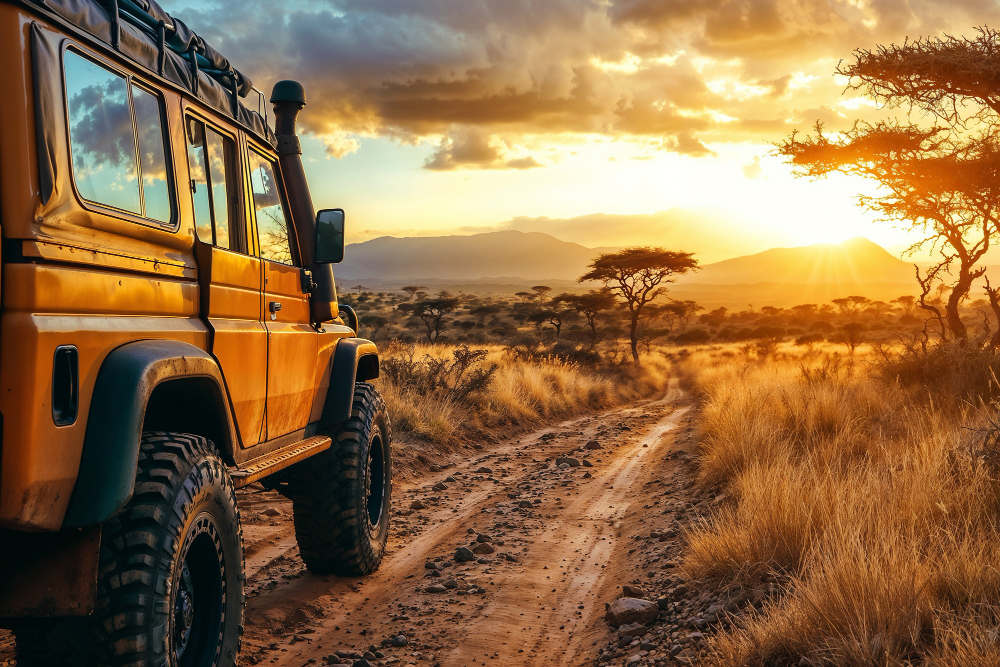
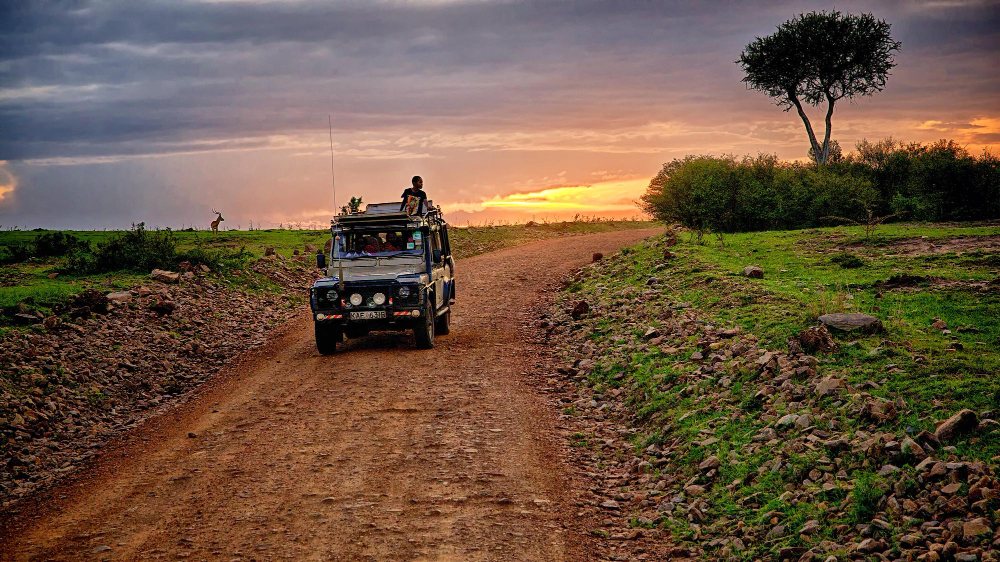
Game drives are the heart of any Serengeti safari. Early morning and late afternoon drives offer the best chance to spot lions, elephants, leopards, cheetahs, and giraffes. Professional guides know the best areas to track the Big Five and other iconic species.
For a once-in-a-lifetime experience, float above the Serengeti at sunrise. Hot air balloon safaris provide panoramic views of endless plains, wildlife herds, and the rising sun painting the sky. After landing, enjoy a champagne breakfast in the wilderness.
The Seronera region, located in the central Serengeti, is one of the best spots to see predators in action. Known as “big cat country,” it’s home to numerous lion prides, leopards lounging in acacia trees, and cheetahs hunting on the open plains.
The western corridor of the Serengeti is where the wildebeest face one of their most dangerous challenges: crossing the crocodile-infested Grumeti River. This thrilling natural spectacle occurs around June and July.
Guided walking safaris allow you to experience the Serengeti on foot. Instead of viewing wildlife from a vehicle, you’ll discover smaller details—animal tracks, plants, and birdlife—while safely accompanied by expert rangers.
Located in the southern Serengeti, Ndutu is where the wildebeest migration gathers from December to March for calving season. Thousands of baby wildebeest are born each day, attracting predators and creating dramatic encounters.
From mobile tented camps that follow the migration to five-star lodges with infinity pools, the Serengeti offers accommodation for every style. Spending evenings around a campfire under the starry African sky is an unforgettable part of the experience.
The park is home to over 500 bird species, making it a paradise for bird lovers. From colorful lilac-breasted rollers to secretary birds and ostriches, the Serengeti is teeming with avian life.
Located in the northern Serengeti, the Lobo area is a rugged, less crowded part of the park. It’s excellent for spotting elephants, lions, and leopards, especially during the migration season as herds pass through on their way to Kenya’s Maasai Mara.
The Moru Kopjes are ancient rock formations scattered across the plains. They provide shade for lions and leopards, and they’re home to some of the park’s last remaining black rhinos. You can also see Maasai rock paintings in this area.
Located in Seronera, the visitor center offers educational exhibits about the park’s history, wildlife, and conservation efforts. It’s a great stop for families and first-time safari-goers.
Watching the African sunset with a drink in hand is a safari tradition. Many lodges and camps arrange sundowners in scenic spots where you can soak in the magical colors of the Serengeti dusk.
Located near Seronera, the Retina Hippo Pool is one of the best places to see hippos up close. Hundreds of hippos gather here, and you can safely observe their behavior from a close vantage point.
The Serengeti is a dream for photographers. From dramatic predator hunts to stunning landscapes and colorful birdlife, every corner of the park offers photo opportunities. Carry a good zoom lens and plenty of memory cards!
1. When is the best time to visit Serengeti National Park?
The park is excellent year-round, but the Great Migration is best seen from December to July, depending on the herds’ location.
2. How many days do you need in the Serengeti?
Most travelers spend 3–5 days, allowing enough time for game drives, migration sightings, and relaxation.
3. Is Serengeti National Park safe to visit?
Yes, with professional guides and lodges, safaris are safe. Always follow ranger instructions and avoid wandering alone.
4. What animals can you see in the Serengeti?
You can see the Big Five (lion, leopard, elephant, buffalo, rhino), wildebeest, zebras, giraffes, cheetahs, crocodiles, and over 500 bird species.
5. Do I need a guide or can I self-drive?
Both options exist, but guided safaris are recommended for the best wildlife experiences and safety.